IT's a Product Failure?!
How to overcome Biases of Product Teams & Lessons for product leaders & IT payers!

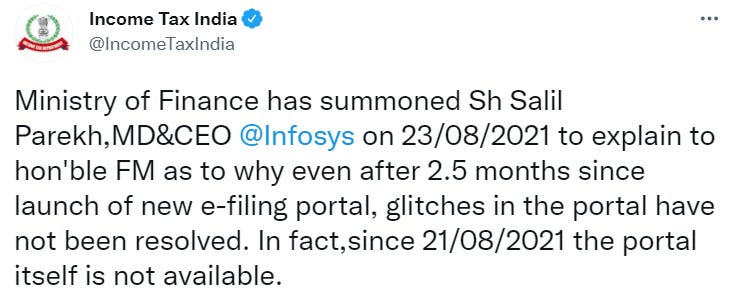
Product failure is expensive.
Yes, its a double whammy if you are a honest tax payer in India. We as end-users may end up pay taxes and also potentially foot the bill for these product failures! A host of biases play out during product development processes especially ones involving Government.
It would apt to recollect Shreyas Doshi’s very informative Twitter visual thread and video on The 7 Biases of Product Teams which also can be a good subject for a book! He laments that CEOs and Managements in most companies do emphasize on how to overcome some of these biases (which result in product failures) That said they might have lost the plot in terms of disseminating to the same to middle management. They in turn might fail to inculcate the required “Product Culture” best practices across the Organization. All these 7 biases might not be one size fits all and a couple of them might play out in any given scenario.
Typically, project teams might have the best of teams , smart people but yet fail? Spotting these biases, learning and overcoming these would be helpful for anyone who wants build successful products. Its very important for Product leaders as decision makers to leverage these frameworks effectively .
Shreyas quotes Charlie Munger
All I want to know is where I’m going to die, so I’ll never go there.
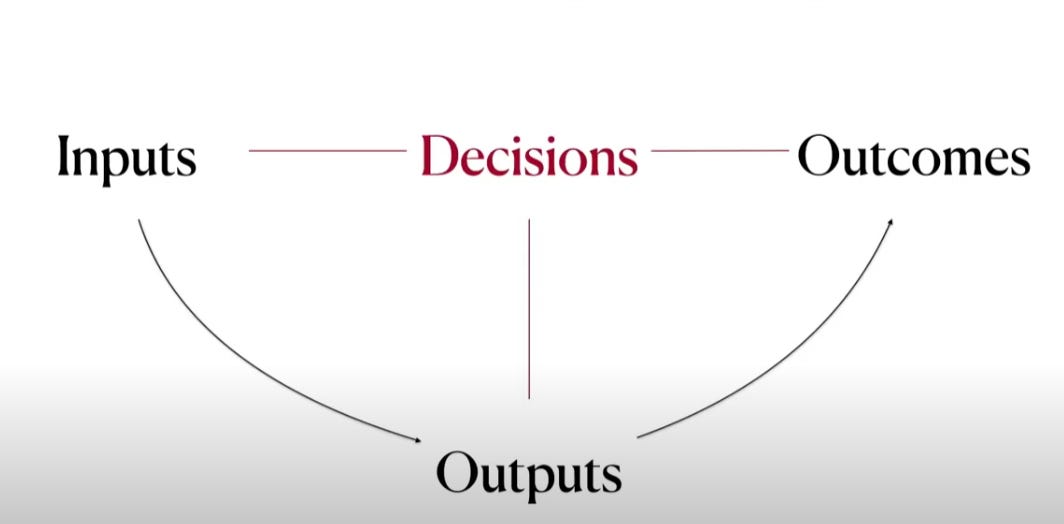
Effective decisions making involves understanding the inputs, evaluating options, making right choices and more importantly avoiding bad choices. A project involving Government as a stakeholder typically have some of these processes broken ( factoring the history of Government related IT projects in India!)
Its essential that product leaders are “self-aware” of these biases, promote “shared vocabulary” of these biases and create a “culture” to spot them in time and provide solutions. All these can help avoiding product failures to a large extent.
Lets delve into some biases articulated by Shreyas in his tweet thread:
The Bias-for-Building Fallacy
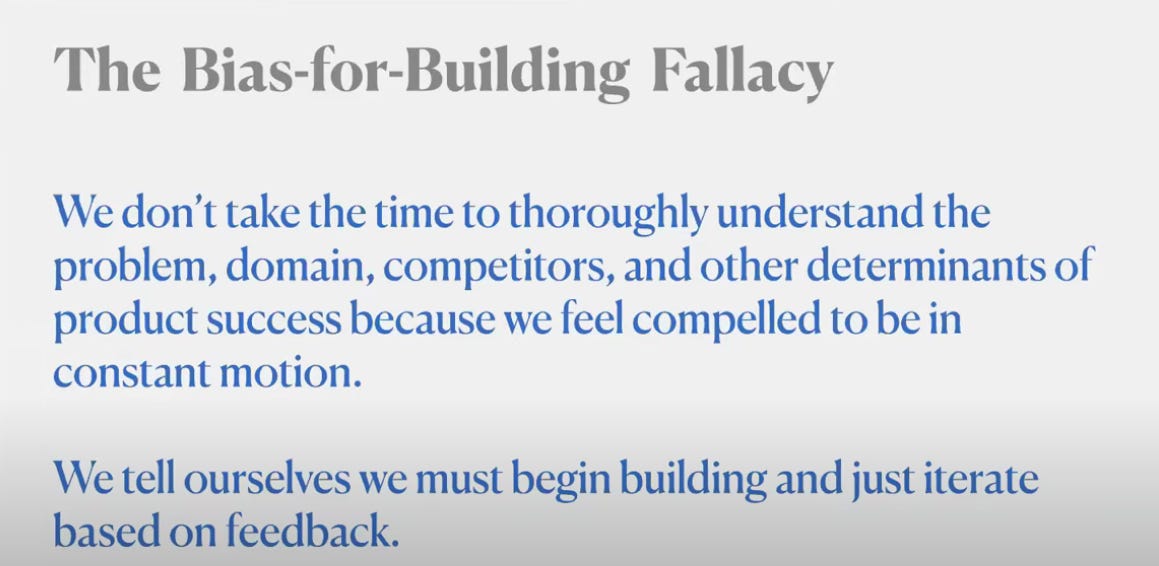
This bias typically plays out in larger enterprise organizations which focus more on speed than velocity! Ensuring Development teams are engrossed even if some of the specifications are not fully validated or even requirements are vague at times. As keeping engineering teams waiting is a cardinal sin and companies end up building sub-optimal products just keep themselves busy. Sprint after Sprint things are moving fast but the direction nobody knows!
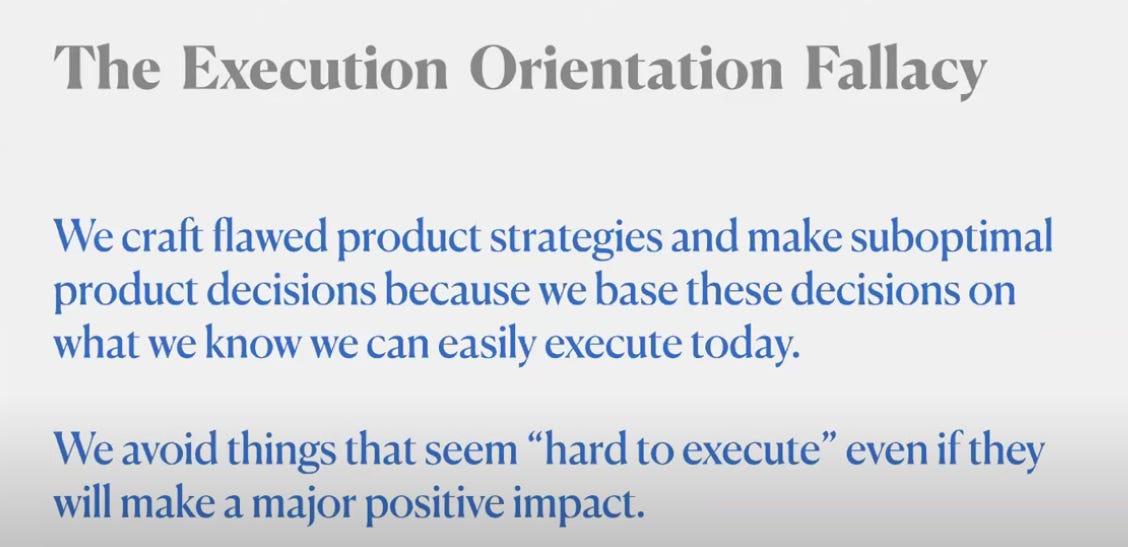
This is linked to the earlier bias where most product development teams focus more on execution than quality. A product culture which appreciates just shipping whatever on a regular basis focusing on simpler problems and avoiding bigger problems. These situations puts undue burden on PMs to carry forward the strategy single handedly and also end up with other teams not in the sync with overall goals . Especially Tech transformation projects, go thru this! User feature validations are not done in sync with clients. Projects are fully compliant from a Tech transformation perspective but end up building sub-optimal products without deprecating unwanted features and also not adding new features in sync with new market/client requirements.
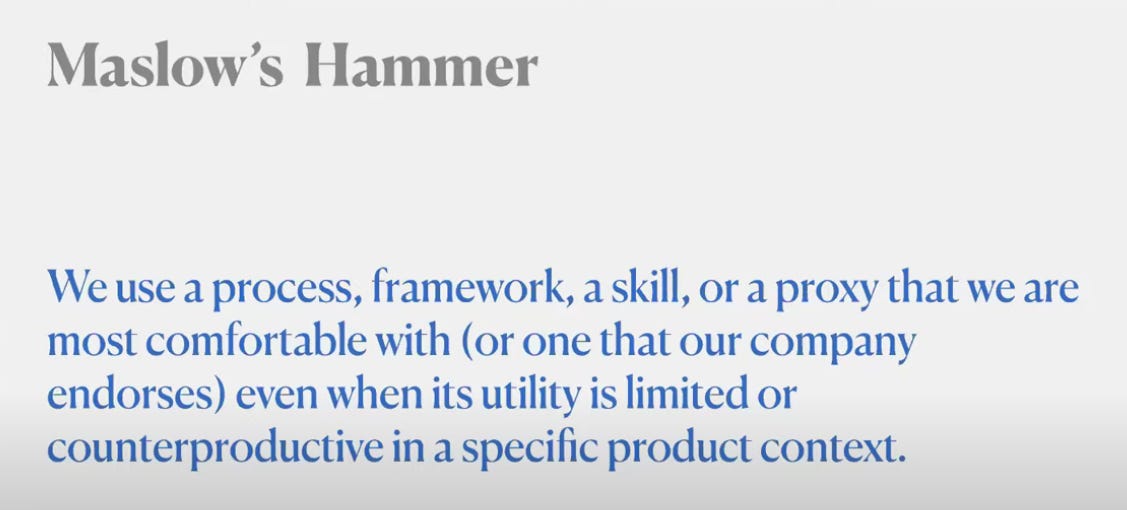
Frameworks, process leveraged for other product decisions might not work for all context. In a government stakeholders scenario, lack of ownership and competencies can be potential hammers which result in suboptimal outcomes.
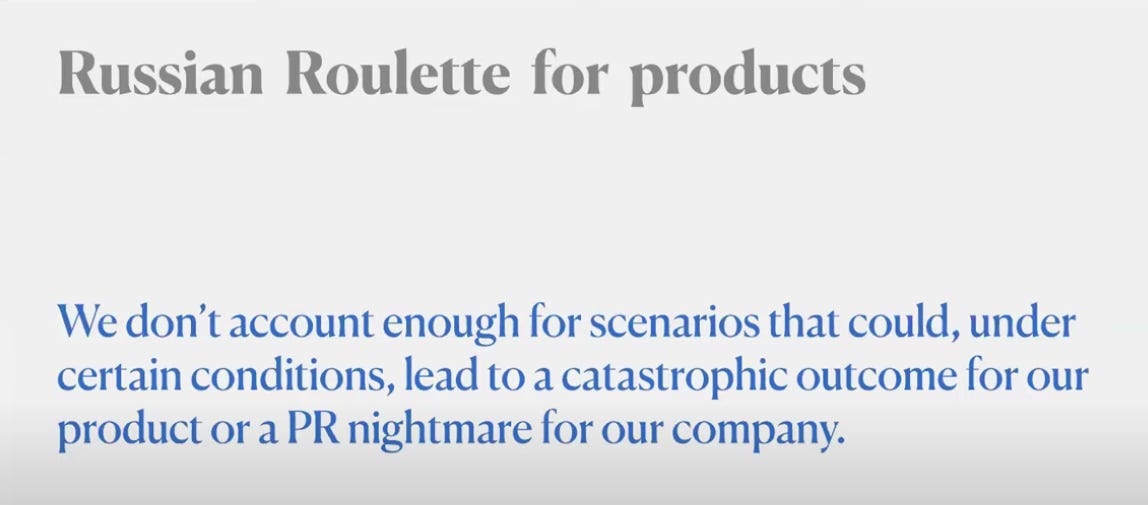
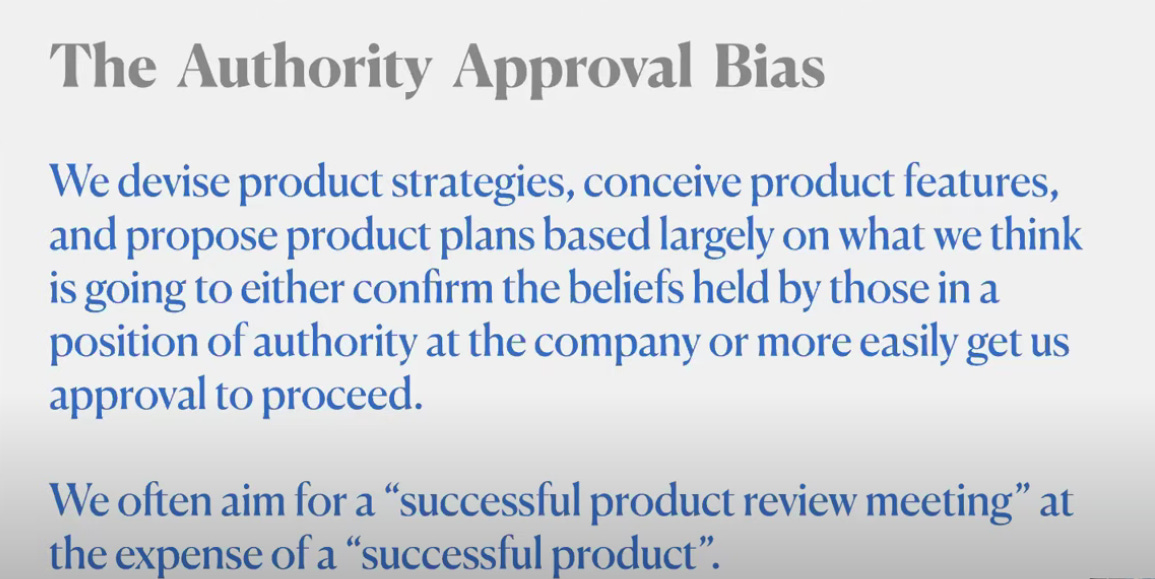
Last but not the least Authority Approval bias is a classic case which involves both incompetent client and development organizations. Already discussed in Bias-for-Building Fallacy, big issues are not brought notice with executives to avoid backlash etc. Teams take easier route where all project review meetings are in line but the end product is a disaster! Not bringing new ideas or making appropriate course corrections end up in product failures!
Shreyas suggest these antidotes for overcoming these biases
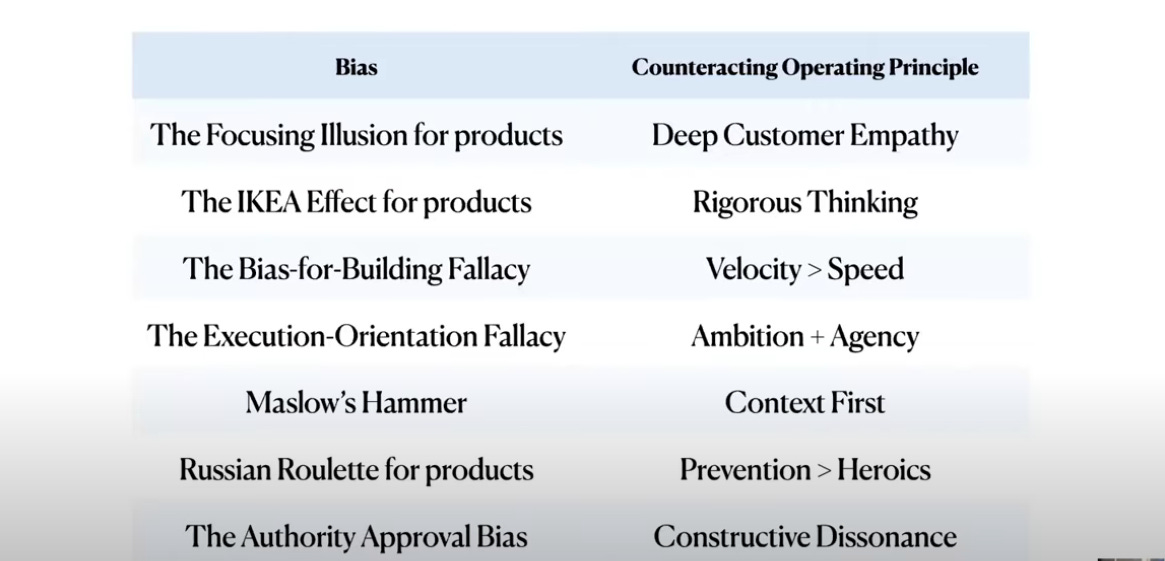
Credits : Based on Shreyas’s popular tweet thread. He is startup advisor. built products at Stripe, Twitter, Google, Yahoo. He tweets about product, strategy, org psych, leadership, life. I recommend product enthusiasts to follow his twitter handle @shreyas